


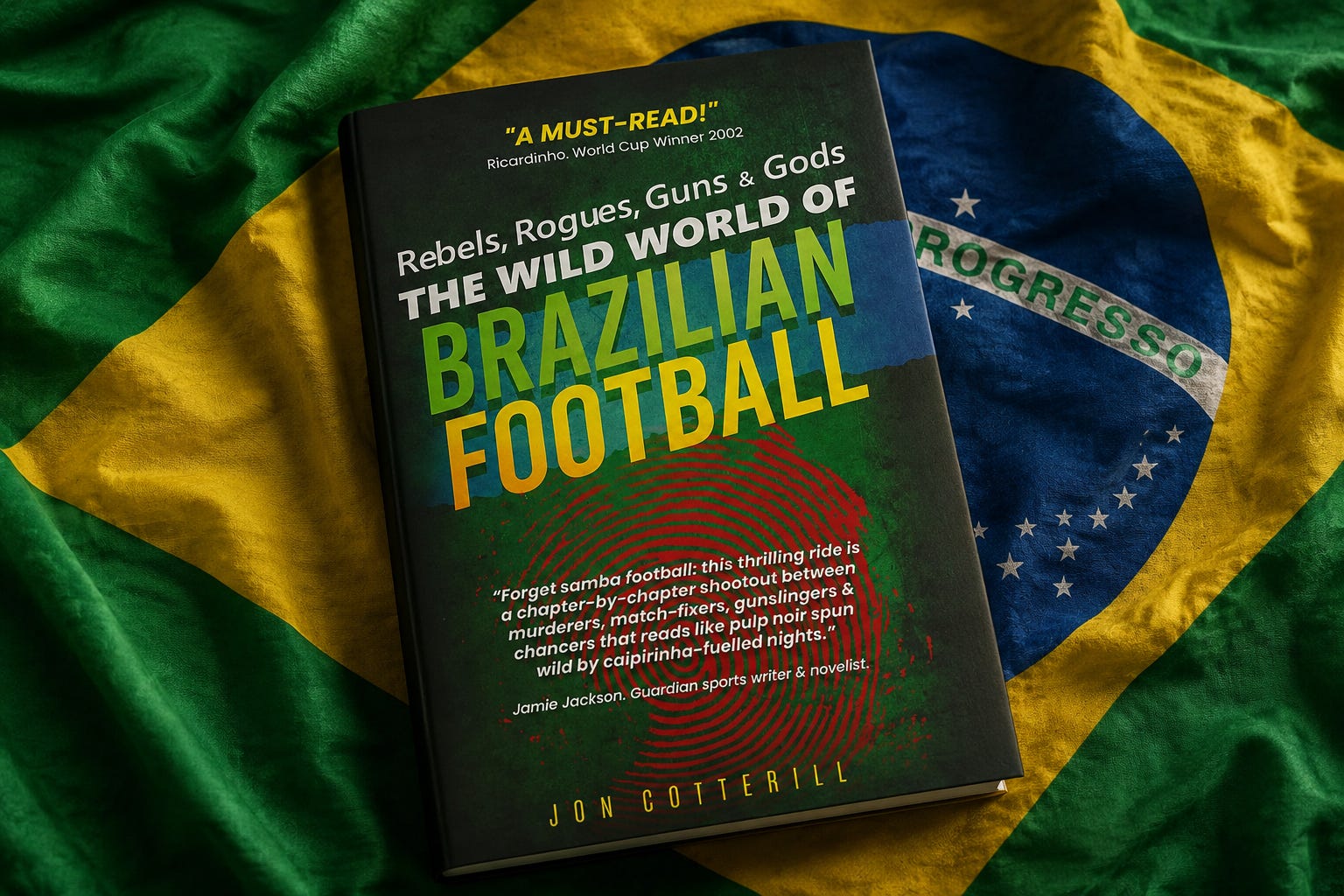
The following is an extract from the book Rebels, Rogues, Guns & Gods: The Wild World of Brazilian Football by Jon Cotterill. It is available for purchase here.
Neymar’s inclusion in Brazil’s World Cup squad may have delighted millions of his fans, but it also exasperated some of the country’s most influential journalists. Until the game against Scotland, the 34-year-old had not appeared for the national team for almost three years, and for sections of the Brazilian media, his addition was a ‘risky gamble’. “It was a misguided choice. Carlo Ancelotti swapped the 15 goals of Chelsea’s João Pedro, who scored at the highest level of world football, for Neymar, who played just 15 games this year! I didn’t like Neymar’s call-up. He is undeniably a gifted player—it’s a joy to watch him—but he hasn’t been making a decisive impact,” said Paulo Vinícius Coelho.
Mauro Cezar Pereira was just as vociferous. “I was disappointed that a top-tier coach would submit to marketing agents, lobbyists, and the whole circus orchestrated by the Brazilian Football Confederation to call up Neymar and create an entire merchandising spectacle.”
Neymar’s appearance in the defeat against Norway in the last sixteen appears to be his last for his country, coinciding with the Seleção’s worst finish in a World Cup since 1990.
Ancelotti’s decision to include the country’s record goalscorer despite fitness concerns provoked deeper divisions than many outside Brazil appreciate. Hugely popular yet polarising, Neymar epitomises a recurring dilemma for Seleção coaches—talent that can lift a team but also unsettle it, as with Romário in earlier generations.
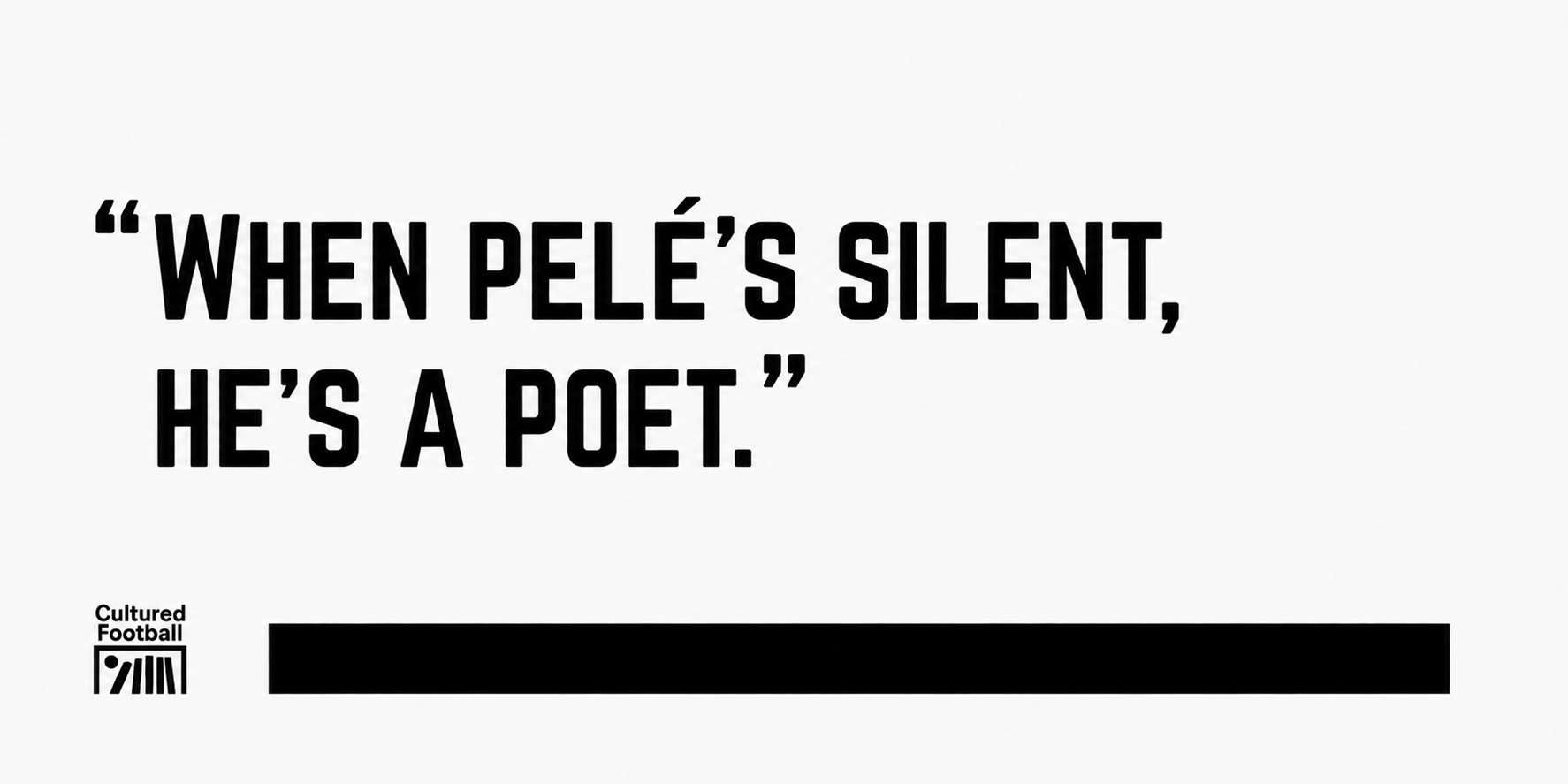
Baixinho (Shorty) won the World Cup in 1994 and was named Fifa World Player of the Year in the same season. Virtuoso and masterful, Romário was a law unto himself, sometimes training only when he felt like it and, in his latter days at Vasco da Gama, hardly ever bothering to travel for matches outside Rio de Janeiro. The player had countless disputes with some of the greatest names in football, once famously declaring: “When Pelé’s silent, he’s a poet.”
Though adored by fans worldwide, Romário was regarded as problematic by many inside the game. The 1994 Seleção manager, Carlos Alberto Parreira, avoided using him until injuries and Brazil’s precarious position in the South America World Cup qualifiers forced his hand. Mário Zagallo and Zico dropped him from the 1998 World Cup squad, ostensibly because of an injury, though there had long been feuds among the trio. Luiz Felipe Scolari resisted immense pressure and refused to call him up for the squad that won the 2002 World Cup in Japan and South Korea, insisting that Romário only scored against weak teams.
In his pomp, Romário was unrivalled on the pitch. But there was another player who could match him for cockiness.
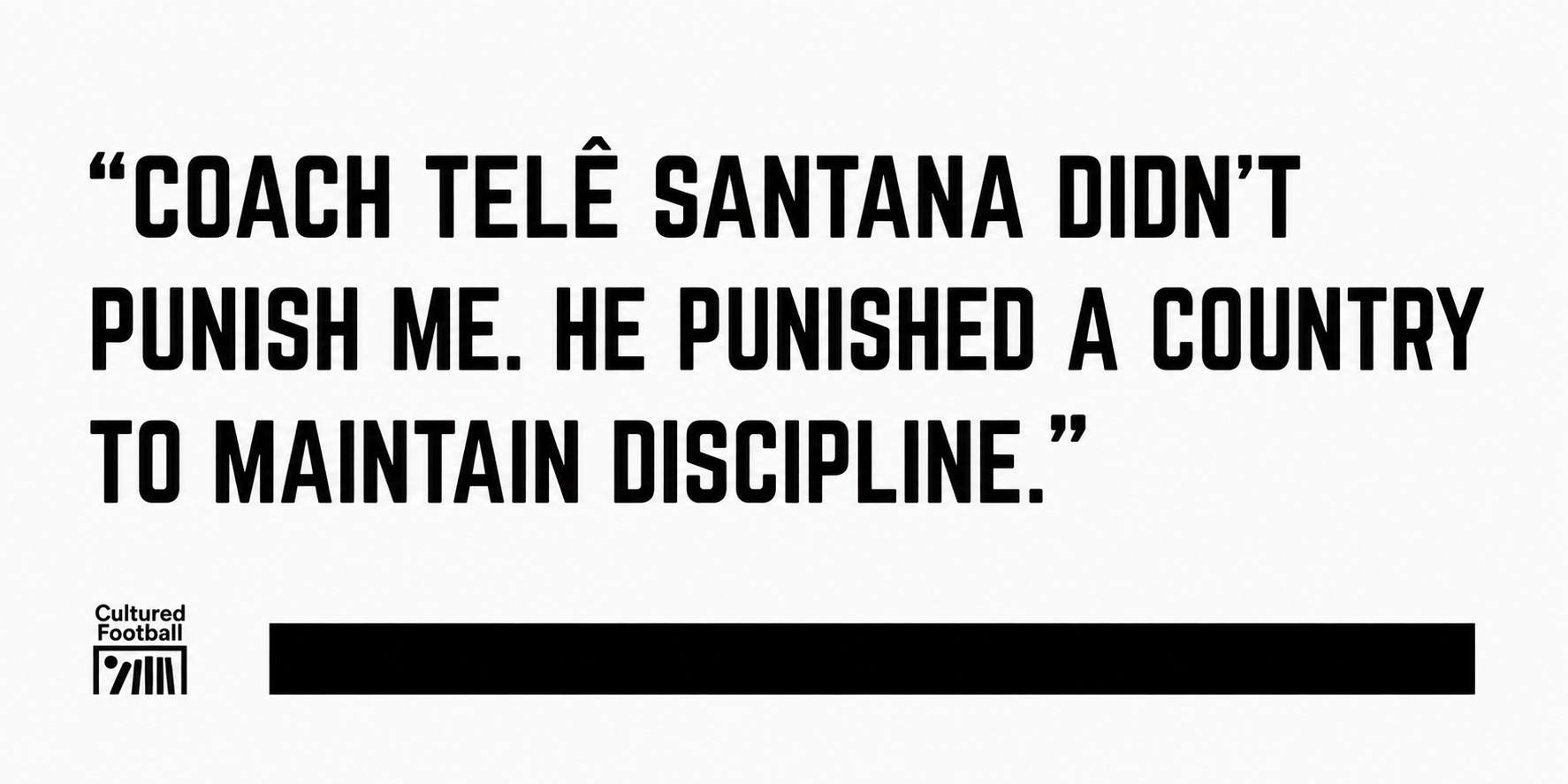
Renato Gaúcho was one of the most flamboyant and outspoken footballers of the 1980s and 90s. He was popular and successful, and a stylish winger in excellent form in 1986. But breaking a training camp curfew and then being caught trying to return by climbing over the perimeter wall cost him his place in the squad travelling to Mexico for the World Cup. Gaúcho remained unrepentant. “I was the team’s best player in the qualifiers. I was 23 years old and flying physically. Brazil had some ageing players. I was sure I would have been very important. Coach Telê Santana didn’t punish me. He punished a country to maintain discipline.”
After retiring, Renato Gaúcho moved into coaching, winning trophies and becoming the most successful manager in Grêmio’s history. He was also the first to lift the Libertadores as a player (1983) and as a coach (2017), both times with Grêmio.
One other player dominated the headlines in the 1990s and early 2000s, consistently topping every ‘bad boys’ chart ever since: Edmundo.
Undisciplined and hot-headed, The Animal, as he became nicknamed, was easily provoked and showed little concern for upsetting those around him. He fell out with many of the stars in the illustrious Palmeiras team that won the Brasileirão in 1993 and 1994. Top striker and club idol Evair was so annoyed during one match that he was caught calling Edmundo a ”brat” on camera.
Edmundo was at the centre of a headline-grabbing incident in Ecuador during the Libertadores. With the match against Quito’s El Nacional at 0-0, the striker missed a penalty and the hosts won 1-0. At full-time, a local journalist approached him for an interview. In a moment of rage, Edmundo knocked the TV camera to the ground. Remarkably, it kept rolling and the footballer’s attempts at trashing the device were caught on film.
Edmundo was at his best in 1997, developing an excellent partnership with Romário with the Seleção, though their relationship would deteriorate considerably in the years that followed. In June, Brazil faced Bolivia in the Copa América final. Edmundo scored the first goal but was filmed landing a left hook on Luis Cristaldo in the second half. The officials missed the incident, and Brazil coach Mário Zagallo responded quickly, substituting the player before he could be sent off. Brazil went on to win 3-1.
Somewhat surprisingly, Edmundo’s growing list of misdemeanours did not deter Fiorentina from paying around £8m for his services in January 1998. True to form, Edmundo immediately clashed with coach Alberto Malesani, who had benched him. In February, the player returned to Brazil, threatening to leave Fiorentina for a new club just weeks after joining.
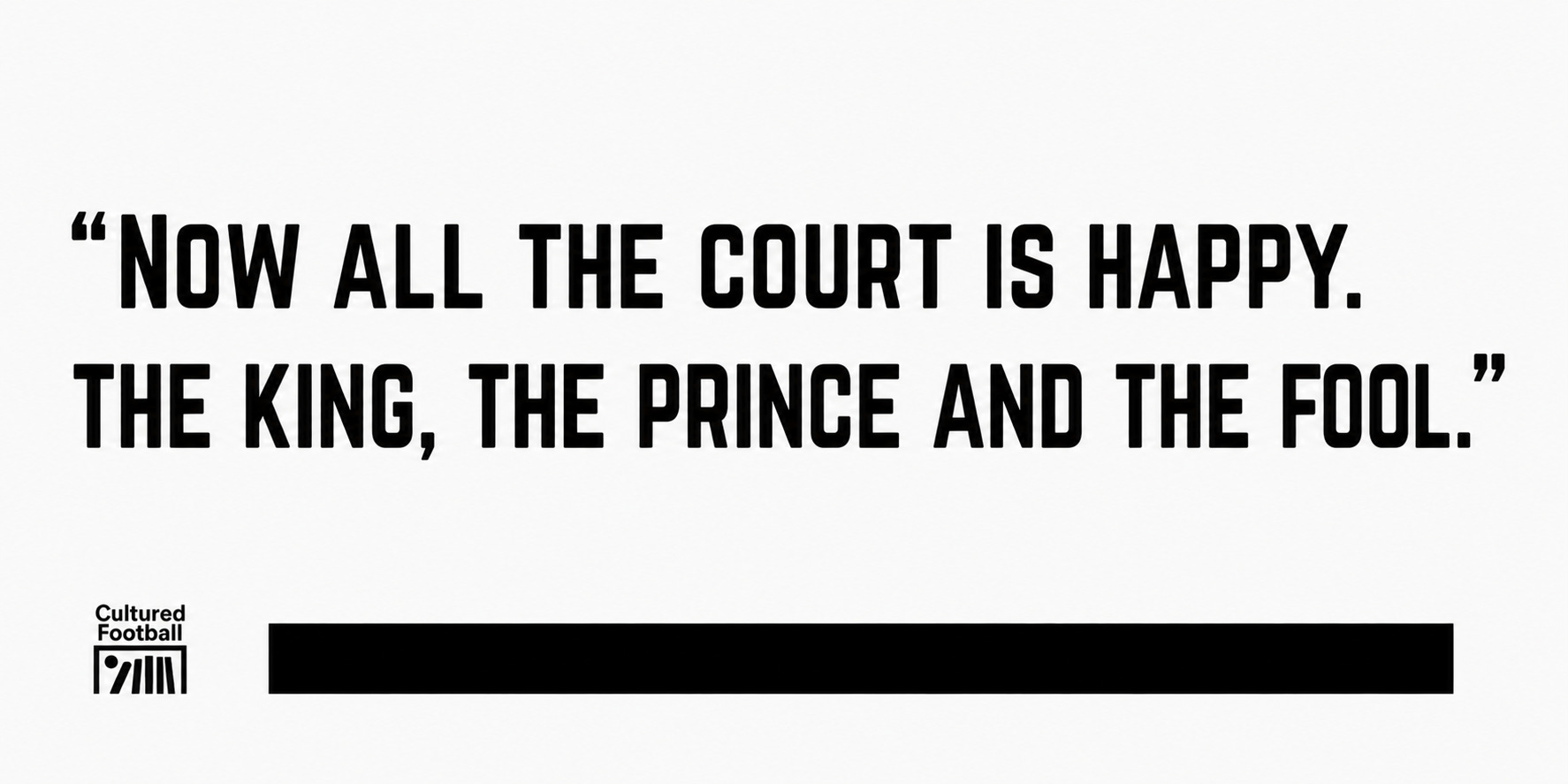
The footballer spent much of his career at Vasco and was worshipped by the supporters. But in 2000, he was forced to share the spotlight with Romário and the larger-than-life club president, Eurico Miranda. Edmundo was the designated penalty taker when Romário joined, but Eurico decreed that the newcomer would take over. By this stage, Edmundo and Romário had already clashed numerous times. An irritated Edmundo told the press that Vasco had a king and a prince. Days later, Romário scored a hat-trick against Olaria and, after, delivered one of the most cutting put-downs in Brazilian football: “Now all the court is happy. The king, the prince and the fool.”
Once again, in this World Cup, Brazil were forced to wrestle with the same old issues: when does genius become a liability and can superstardom coexist with squad cohesion? After crashing out to Norway, the Seleção have now gone the longest period in their history without winning the trophy, and the reputations of both Carlo Ancelotti and Neymar have taken a serious hit.
About the Book: Rebels, Rogues, Guns & Gods: The Wild World of Brazilian Football explores the darker, stranger and often extraordinary side of Brazil’s national game. Moving beyond the familiar image of samba football and dazzling talent, Jon Cotterill tells stories of rogue players, match-fixing, crime, corruption, violence and some of the remarkable characters who have shaped Brazilian football. Featuring figures including Ronaldo, Ronaldinho, Romário, Garrincha and Adriano, the book uses these stories to explore the contradictions between the glamour of Brazilian football and the harsher realities that exist beneath it.
About the Author: Jon Cotterill is a British journalist, writer and researcher who specialises in South American football, particularly the game in Brazil. Based in Brazil for more than two decades, he has written extensively about Brazilian football as well as player recruitment and scouting. His work has appeared in The Guardian, The Telegraph, Daily Mail, World Soccer, FourFourTwo and ESPN FC whilst he has also worked for FIFA and the CBF. He is also the author of Brazil in the World Cup, Anatomy of a Football Scout and Scouts’ Stories: A Life in the Shadows.