At the turn of the twentieth century, cycling was one of San Sebastián’s most fashionable pursuits. Much of this was down to Julián Comet, a French entrepreneur who had settled in the city and become one of the sport’s leading advocates. Through his efforts, a velodrome was built whilst major events that attracted the sports’ leading stars were brought to the city.
Cycling flourished. In February of 1907, that enthusiasm led to the formation of the Club Ciclista de San Sebastián.
Football, meanwhile, was also beginning to take hold across northern Spain. Introduced by students and workers returning from Britain, the game was spreading rapidly. In 1904, the San Sebastián Recreation Club was established, adding football to the range of sports already played within the Real Club de Tenis de San Sebastián.
Just a year later, the club became the first side from Gipuzkoa to compete in the Copa del Rey. Its president, Jorge Satrústegui, would later become one of the three authors of the statutes of the Spanish Football Federation, while in 1906 the club opened Ondarreta Stadium, the city’s first purpose-built football ground.
For all this rapid progress, not everyone was happy with the way the club was being run. So much that in late 1907, a group of players had become disillusioned enough to decide to form a new side leading to the setting up of San Sebastián Football Club.
Whilst this new club could play in friendlies, competing in the Copa del Rey was an altogether different matter. Clubs had to be registered for at least one year to be allowed in, too much of an ask for the new club.
A creative solution was needed, and one was that was duly found. As their games were being played games at the Atocha Velodrome, making it an obvious step to set up a football section within the Club Ciclista de San Sebastián, and using their registration to get access.
Given that their participation had been at risk till the final weeks, what followed was remarkable.
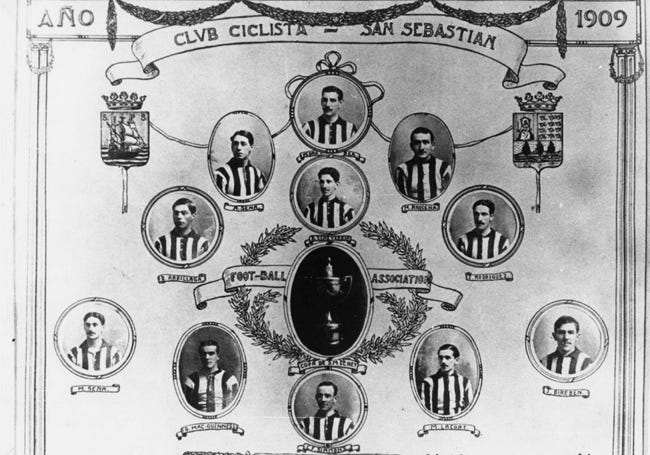
Driven by Englishman George McGuinness, they first beat local rivals Athletic Club 4-2 and then overcame Galicia FC 2-0. McGuinnes scored five of those goals and he was again on the scoresheet in the final as Español de Madrid were beaten 3-1.
A cycling club had conquered Spanish football.
That success, however, was fleeting. Within a few months there was no longer any need for San Sebastián Football Club to rely on others to take part in national competition. All players returned back to their original club which would eventually become what we know today as Real Sociedad.
These days, cycling is still deeply woven into the Basque Country’s identity and the region is widely considered the traditional heartland of cycling in Spain. Yet, in the second decade of the twentieth century, it had to give way to football’s progress not only metaphorically but even physically.
Each week on Cultured Football we pick the five great football stories from the previous seven days.
When, in 1913 Real Sociedad were looking for a site to build their stadium, the choice fell on the velodrome which hosted their earlier games and this was torn down to make way for the new Atotxa Stadium.
For Julián Comet this was a particularly bitter moment. According to local legend, he blasted that Real Sociedad “jamás serán campeones” – they will never be champions – and those years would come to haunt the football club.
Over the years, as one title after another slipped through their hand, Comet’s curse seemed impossible to shake off. It was only seven decades later, in 1981, that Real Sociedad would finally break it when they finally won the league title.
Incidentally, that same year, the Clásica de San Sebastián was launched, a prestigious one-day race that brings some of the best cyclists to the Gipuzkoa capital year after year. Coincidence? Perhaps not.
Honours:
Copa del Rey 1909
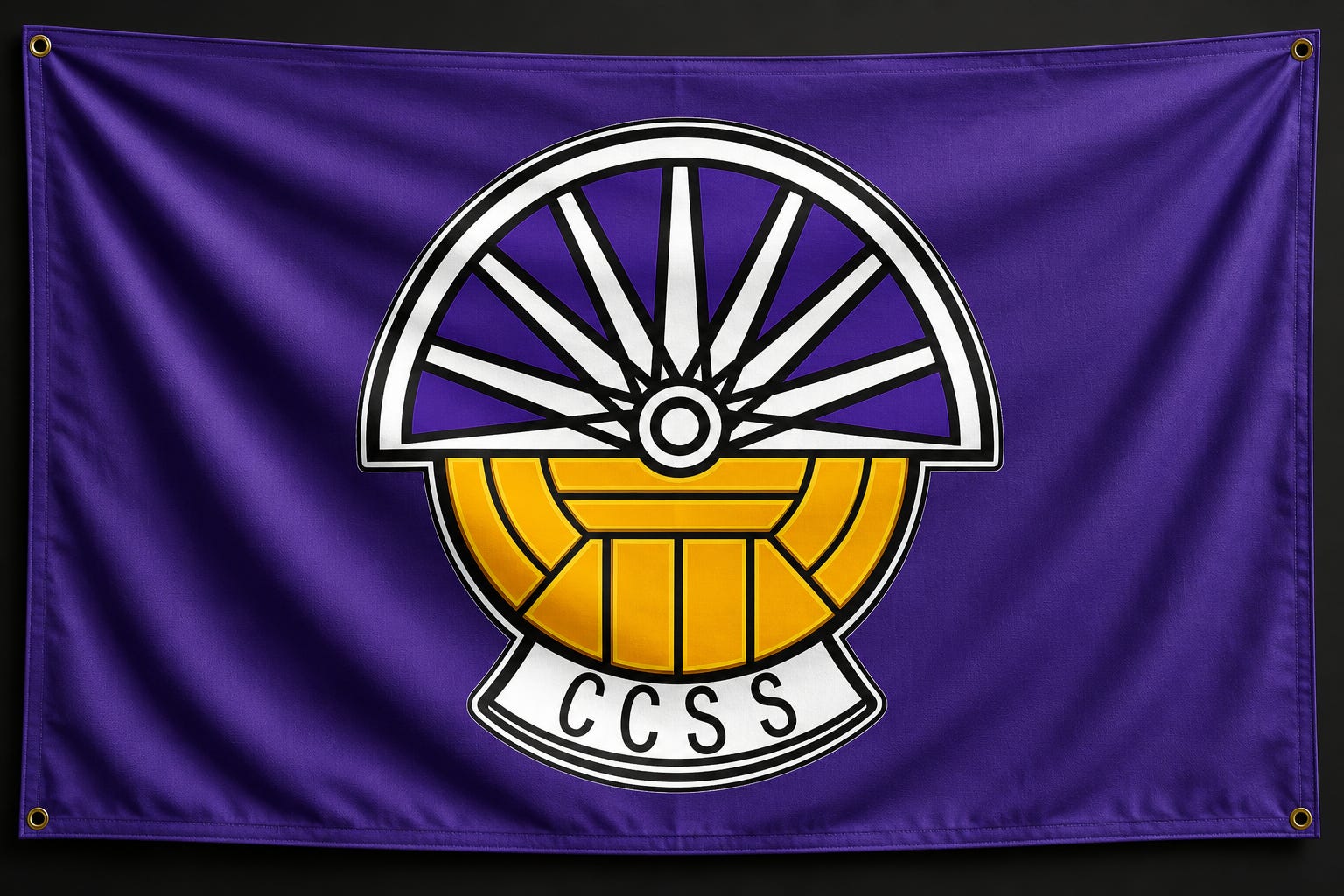
The story of Club Ciclista de San Sebastián is now captured in this exclusive Cultured Football shirt. Featuring its original badge and a brief history, if you enjoyed their story you can now own a piece of football’s forgotten past.